
Seasonal Plant Care Guide for Bangladesh

31 Jul 2026
Bangladesh’s tropical monsoon climate gives us hot summers, heavy rains, mild winters, and a short but pleasant spring. Each season changes what your plants need. A routine that works in January may damage the same plant in July. Understanding seasonal plant care in Bangladesh is the key to keeping indoor and outdoor plants healthy all year.
This guide breaks down the year into five seasons and explains what to do for each. Whether you keep a few houseplants in Dhaka or maintain a balcony garden in Rajshahi, these practical tips will help you adjust your watering, fertilizing, and protection strategies.
Table of Contents
- Spring Care (February–April)
- Summer Care (May–July)
- Monsoon Care (July–September)
- Autumn Care (October–November)
- Winter Care (December–January)
- Seasonal Indoor Plant Tips
- Seasonal Outdoor & Balcony Tips
- Year-Round Seasonal Checklist
- Seasonal Plant Care FAQ
Spring Care (February–April)
Spring is the most active growing season in Bangladesh. As temperatures rise and daylight lengthens, plants wake up from winter dormancy and push out new leaves and flowers.
What to Do in Spring
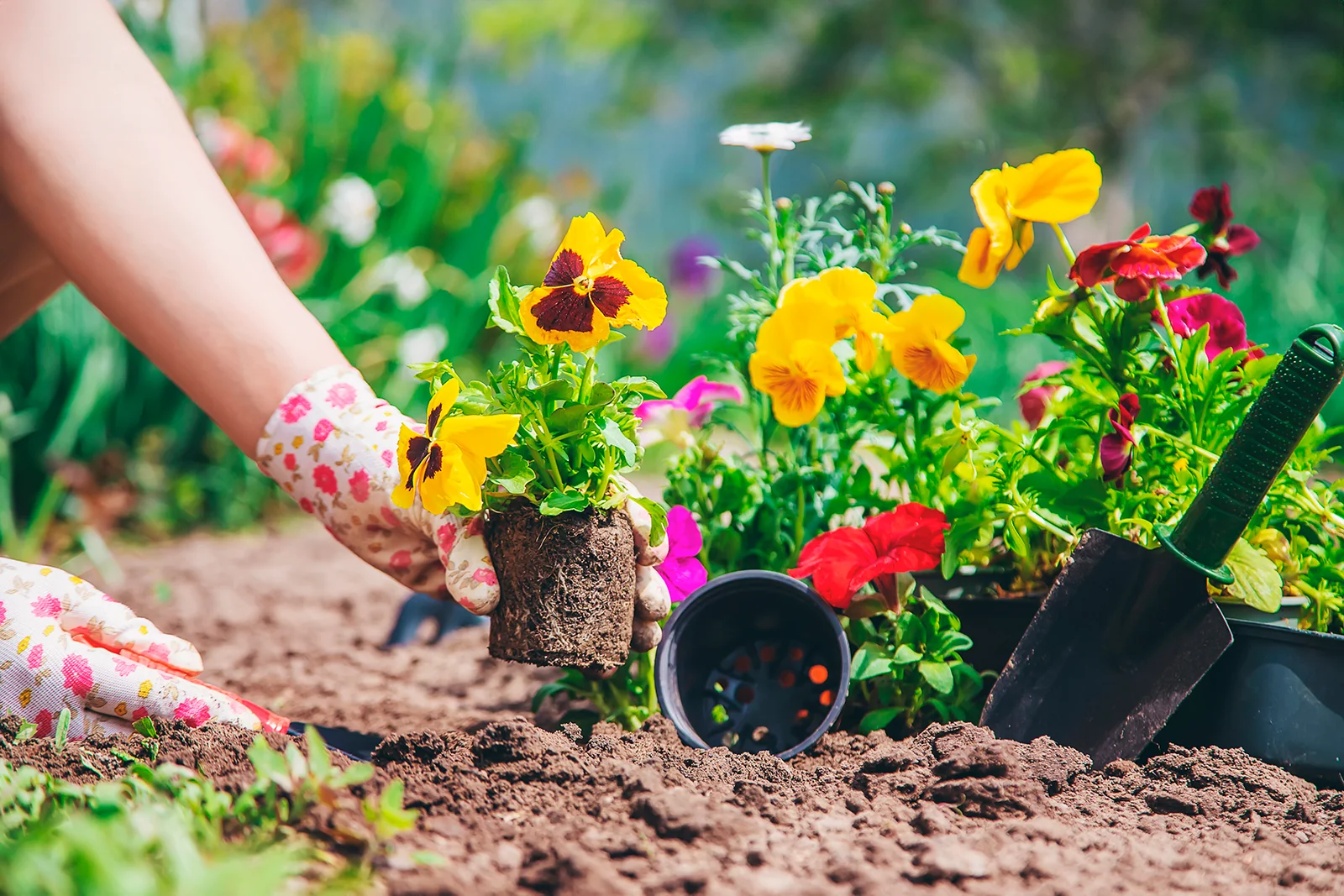
- Repot root-bound plants: Spring is the best time to move plants into fresh soil.
- Prune winter damage: Remove dead, yellow, or leggy growth to make room for new shoots.
- Start fertilizing: Resume balanced liquid fertilizer every 4 to 6 weeks as growth picks up.
- Increase watering: Plants need more water as temperatures rise and growth accelerates.
- Plant seeds and cuttings: Spring is ideal for starting herbs, flowering annuals, and new cuttings.
For beginner gardeners, spring is the safest time to buy new plants. They establish quickly before the harsh summer and monsoon arrive.
Summer Care (May–July)
Summer in Bangladesh brings intense heat, bright sun, and long days. Many plants grow rapidly, but others struggle with heat stress and drying soil.
Watering in Summer
Water early in the morning or late in the evening to reduce evaporation. Check soil moisture daily for outdoor plants. Indoor plants may dry out faster near sunny windows and air conditioners.
Shade Sensitive Plants
Move ferns, calathea, and seedlings away from harsh afternoon sun. If outdoor plants look wilted or bleached, provide partial shade using shade cloth or move them to a covered area.
Mulch Outdoor Containers
Cover soil with a thin layer of dry leaves, straw, or coco chips to reduce water loss. Mulch also keeps roots cool.
Watch for Heat Stress
Signs of heat stress include wilting even with wet soil, scorched leaf edges, and flower drop. Mist sensitive plants during the hottest part of the day, but avoid misting plants in direct sun as water droplets can magnify light and burn leaves.
Fertilizer in Summer
Continue feeding, but reduce strength. Heat-stressed plants absorb fertilizer poorly. Use half-strength liquid fertilizer and water well before and after applying.

Watering early in the morning helps plants handle Bangladesh's intense summer heat.
Monsoon Care (July–September)
The monsoon brings heavy rain, high humidity, and cooler temperatures. While plants generally love the moisture, too much water causes root rot, fungus, and pest problems.
Drainage is Critical
Ensure every pot has a drainage hole. Empty saucers after rain. Outdoor plants on balconies and terraces are especially at risk of flooding. If a plant sits in water for more than a few hours, drain it immediately.
Reduce Watering
Rain supplies much of the water plants need. Only water when the soil is actually dry. For outdoor plants, natural rainfall may be enough.
Reduce Fertilizer
Heavy rain washes nutrients away, so frequent chemical feeding is wasteful and can pollute runoff. Switch to slow-release organic matter like compost or vermicompost. Resume normal feeding after the monsoon ends.
Fight Fungus
High humidity encourages fungal diseases. Avoid wetting leaves in the evening. Improve airflow around plants. Remove dead leaves and flowers promptly. If you see mildew or black spots, treat with neem oil or a mild fungicide.
Pest Watch
Snails, slugs, aphids, and mealybugs become active during the monsoon. Inspect plants regularly and remove pests by hand or with neem oil spray.
Autumn Care (October–November)
Autumn is a second growing window in Bangladesh. Heat stress fades, rain becomes lighter, and many plants bloom again.
- Resume regular feeding: Plants recover from monsoon stress. Use balanced fertilizer every 4 to 6 weeks.
- Prune and clean: Remove yellow leaves and spent flowers. Shape leggy plants before winter dormancy.
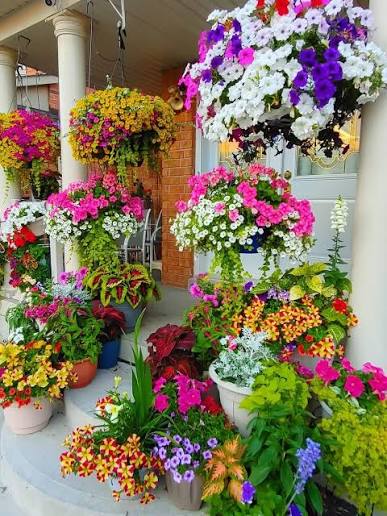
- Plant winter flowers: Marigold, pansy, dahlia, and petunia can be planted for winter color.
- Check drainage: After monsoon, ensure pots and soil are still draining well. Replace compacted soil if needed.
Winter Care (December–January)
Bangladeshi winters are mild compared to many countries, but nighttime temperatures can drop enough to harm tropical plants. Indoor plants may slow growth, and outdoor tropicals may need protection.
Protect from Cold Drafts
Move sensitive indoor plants away from open windows and cold drafts. Avoid placing plants directly on cold tiles; use a mat or stand to insulate roots.
Reduce Watering
Plants use less water in cool weather. Overwatering in winter is a common cause of root rot. Allow soil to dry more between waterings.
Reduce or Stop Fertilizer
Most tropical indoor plants enter a slow-growth phase in winter. Stop fertilizing or feed only very lightly once a month if the plant is actively growing under bright light.
Move Outdoor Tropicals Indoors
Plants like Hibiscus, Bougainvillea, and succulents can handle mild winter, but frost-sensitive tropicals like Calathea and Maranta should be moved indoors if temperatures drop below 15°C.
Increase Light
Winter days are shorter and cloudier. Move plants closer to windows and rotate them regularly for even light exposure.

Move frost-sensitive tropical plants indoors when nighttime temperatures drop below 15°C.
Seasonal Indoor Plant Tips
Indoor plants experience artificial seasons created by AC, heaters, and lighting. Here is how to keep them healthy year-round.
- Spring: Resume feeding, repot if roots are crowded, and increase watering as growth resumes.
- Summer: Move plants away from direct sun through windows, which can burn leaves. Water more often if AC dries the air.
- Monsoon: Reduce watering frequency. High indoor humidity may slow soil drying.
- Autumn: Resume normal care and prepare for winter by checking soil and pruning lightly.
- Winter: Reduce watering and fertilizer. Increase humidity near AC or heaters if leaf edges brown.
Seasonal Outdoor & Balcony Tips
Outdoor plants are more exposed to Bangladesh’s weather extremes. Seasonal adjustments are essential.
- Spring: Plant new flowers, herbs, and vegetables. Feed and prune established plants.
- Summer: Water deeply, mulch soil, and provide shade for delicate plants.
- Monsoon: Ensure drainage, reduce fertilizer, and watch for fungus and pests.
- Autumn: Plant winter flowers, resume feeding, and prepare for cooler nights.
- Winter: Move tropicals indoors, reduce watering, and protect from cold winds.
Year-Round Seasonal Checklist
| Season | Water | Fertilizer | Protection | Tasks |
|---|---|---|---|---|
| Spring | Increase | Balanced, every 4–6 weeks | Shade young plants from harsh sun | Repot, prune, plant seeds |
| Summer | Water early/evening | Half strength | Shade from afternoon sun | Mulch, mist, monitor heat stress |
| Monsoon | Reduce, ensure drainage | Slow-release compost | Drain excess water, improve airflow | Remove fungus, manage pests |
| Autumn | Resume normal | Balanced or bloom booster | Prepare for cooler nights | Prune, plant winter flowers |
| Winter | Reduce | Stop or very light | Move tropicals indoors | Clean leaves, increase light |
Seasonal Plant Care FAQ
Should I repot plants in summer?
Spring is best for repotting. Summer heat stresses plants, so repotting during a heatwave can shock them. If necessary, repot in the early morning and keep the plant shaded for a few days.
Why do my plants die during the monsoon?
The most common cause is overwatering and root rot from poor drainage. Reduce watering, ensure drainage holes are open, and remove water from saucers.
Can I fertilize during winter?
Most tropical indoor plants do not need fertilizer in winter. Resume feeding in spring when growth picks up.
How do I protect plants from Bangladesh summer heat?
Water early, provide shade during the hottest hours, mulch soil, and avoid fertilizing heat-stressed plants.
What plants grow well in Bangladesh winter?
Cool-season flowers like pansy, dahlia, marigold, and petunia grow well. Vegetables like spinach, coriander, peas, and tomatoes also do well in Bangladeshi winter.
Should I mist plants in summer?
Misting helps humidity-loving plants, but mist in shade or early morning. Water droplets on leaves in direct sun can cause burns.
Seasonal care does not have to be complicated. Pay attention to temperature, rainfall, and your plants’ appearance, and adjust watering and feeding accordingly. For more specific advice about soil and fertilizer, read our Plant Fertilizer & Soil Guide for Bangladesh and Best Balcony Plants for Bangladesh.
At Oronno Plants, we help you choose plants that match the Bangladeshi climate and season. Shop plants online or contact our experts for seasonal care tips tailored to your collection.





Comments 0
Login for a faster experience
No comments yet — be the first to share your thoughts! 🌱